Wednesday, 20 April 2011

Vent0r

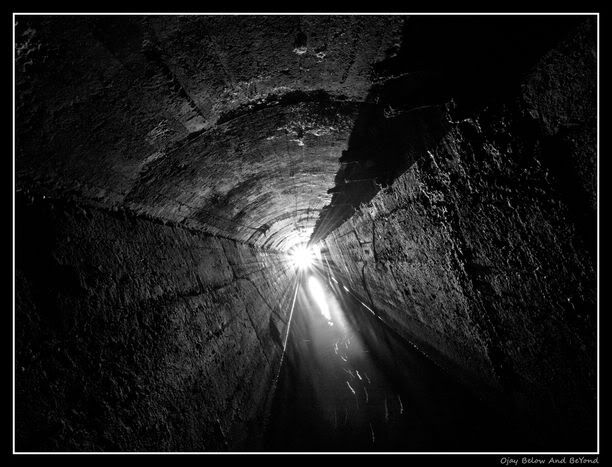
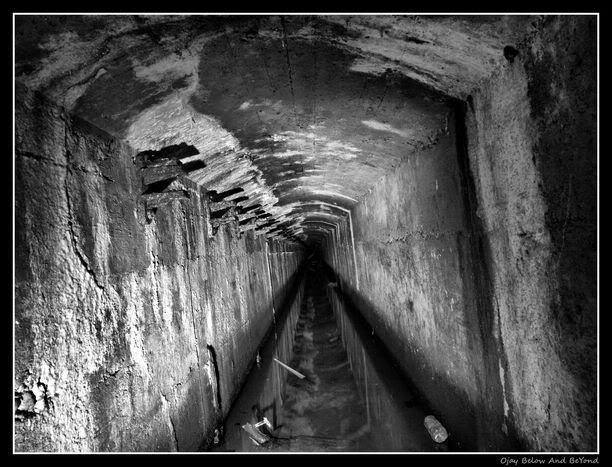
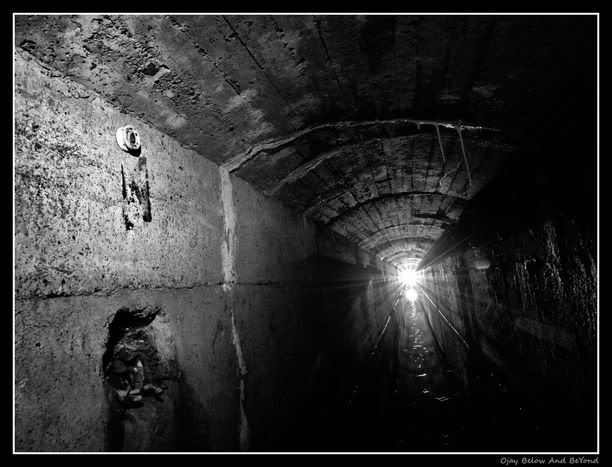
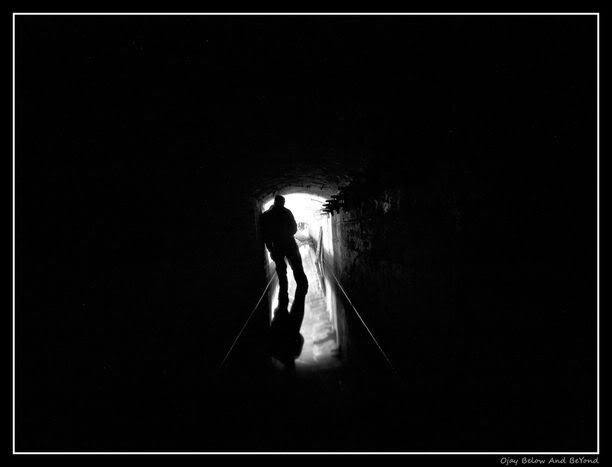
Rochdales answer to the Works drain...


I've had my eye on this place for a while and never got around to checking it out due to my recent injury

Credits to Concrete Jungle for getting here and aptly named it 'Ventor' - Nice one man was worth the effort getting in...

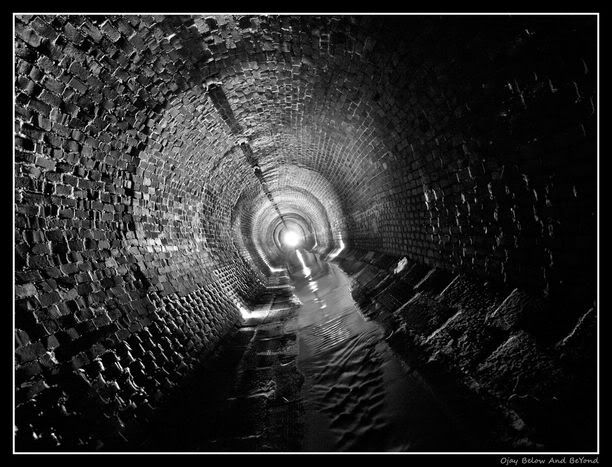
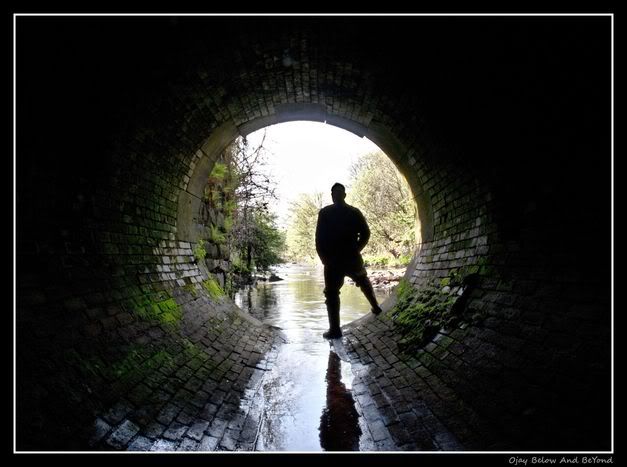
A large stone dressed RBP pokes out alongside the river bank, initially the setup looks much like that of the Works drain in Manchester


Plan A - I started out trying to enter through a manhole on the compound, only to be watched by some local scroat... FAIL.

Plan B - The river is only thigh deep, however depth perception fail at the outfall was lulZ as I sank fast into much deeper fresh waterZ :D

I managed to scramble up into the overflow, but not without a soaking as my wad0rs are now even more fooked & leaky!

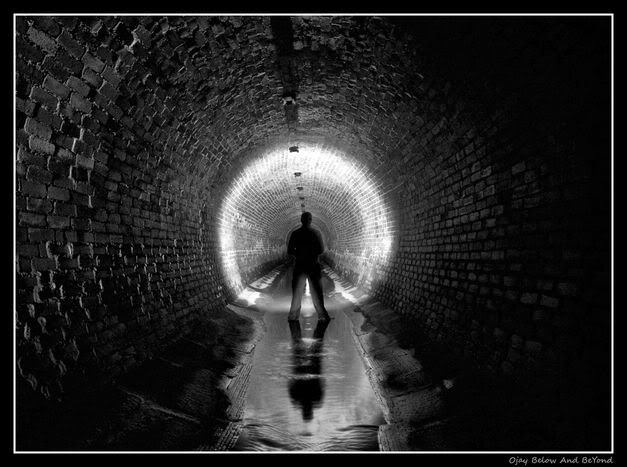
Once inside, the system has clearly been modernised and after a short mooch the brick soon gives way to a 2.5M concrete box, with a 5ft RCP overflow ahead and a larger 8ft overflow passage to the right
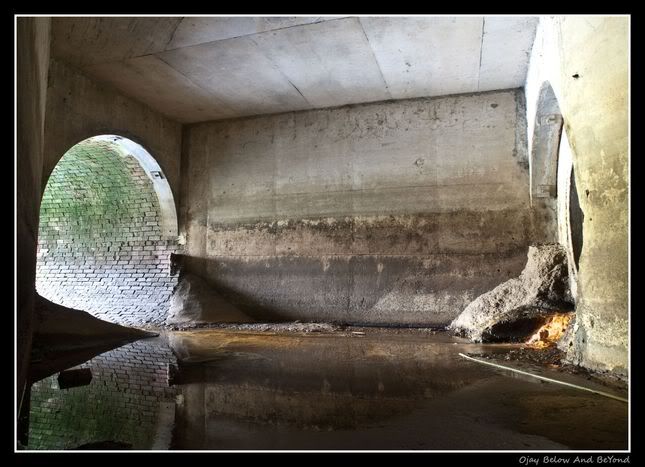

This system is quite different to what I have seen before, it's kind of a twin CSO, one of which contains a screening chamber for all those lovely toilet goodies.

I first headed into the main chamber on the right
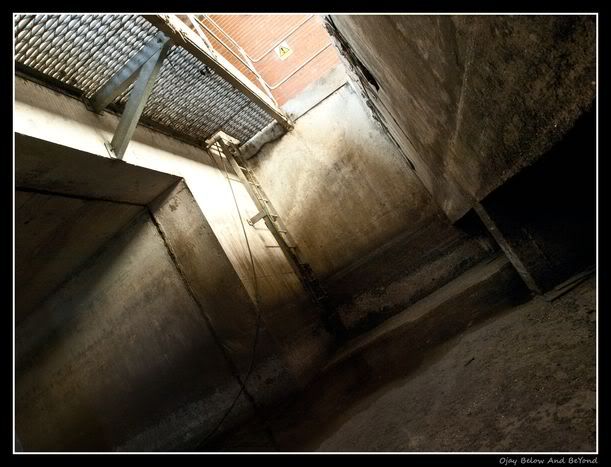

After a bit of fuss with a seized hatch above some ladders I was up above the trunk sewer
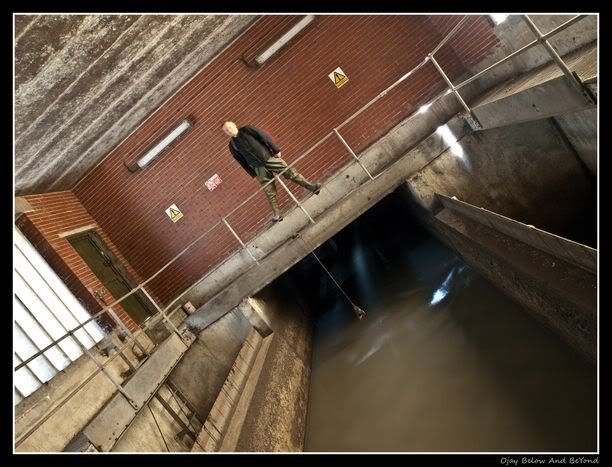

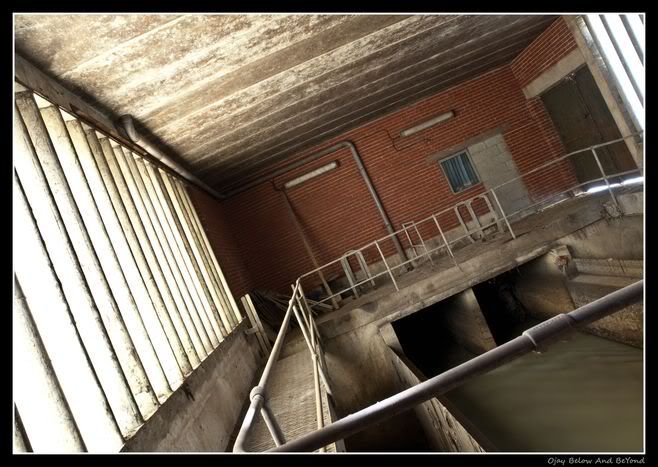
The vented utilities building I was now stood in, was effectively a temple of fresh with a 3M trunk sewer flowing through it before splitting in two and heading down towards the sewage works

Below I could crawl under the sewer which led to a second overflow from the screening chamber - SEE BELOW
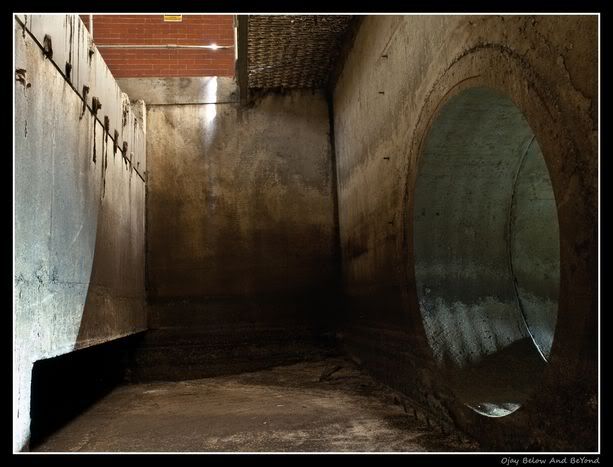

I wandered back to the 5ft RCP, which took a sharp 90 degree turn into a screening chamber
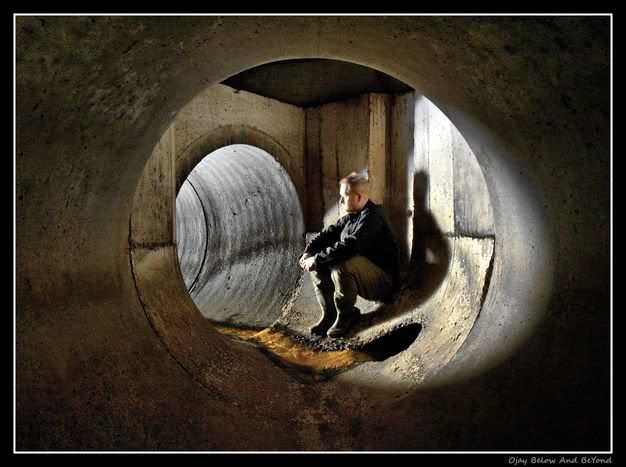

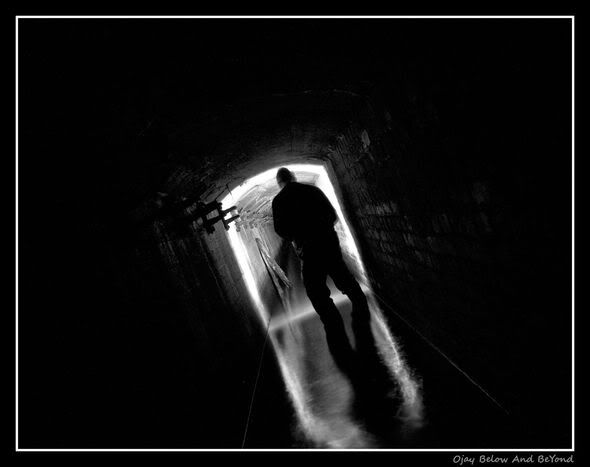
At the other side of the overflow were 2 processors spanning the sewer below
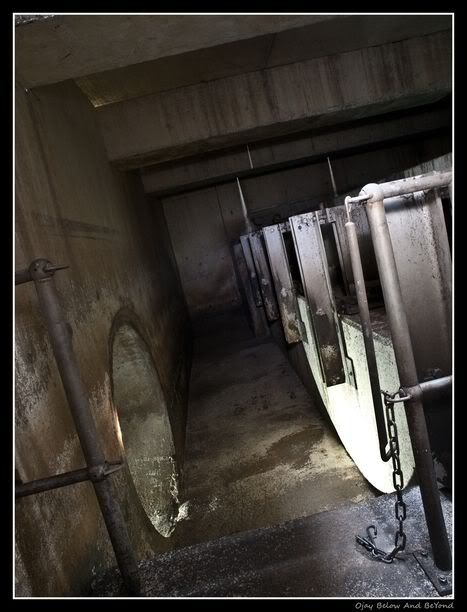


I even saw a frog flailing about as it was swept away in a torrent of arse soup... badtimes, I thought about calling the RSPCA

Tuesday, 12 April 2011

Event Horizon

Visited with The_Collective

 
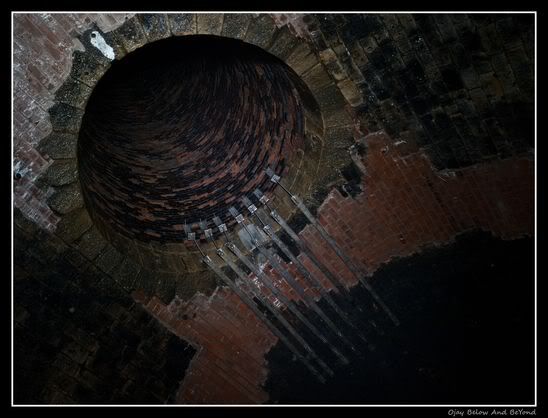
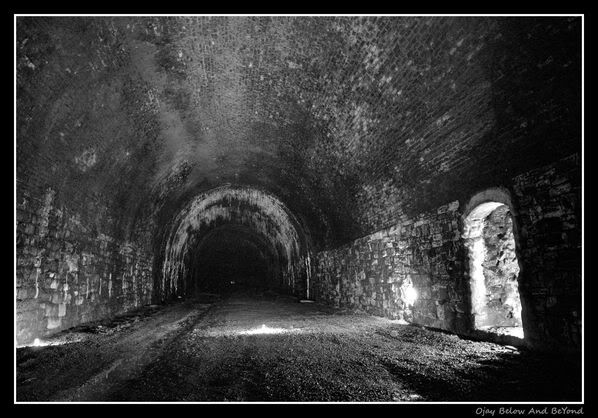
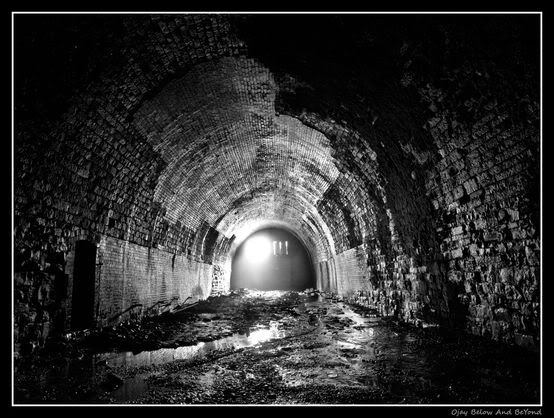
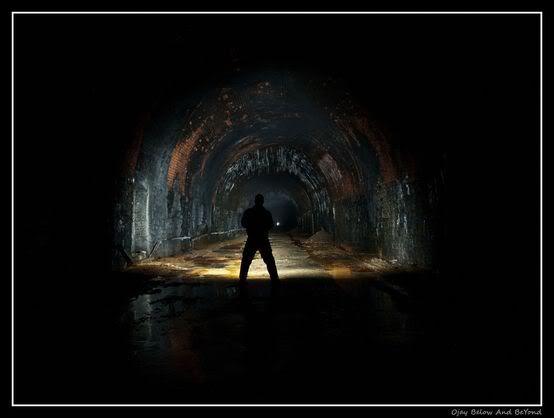
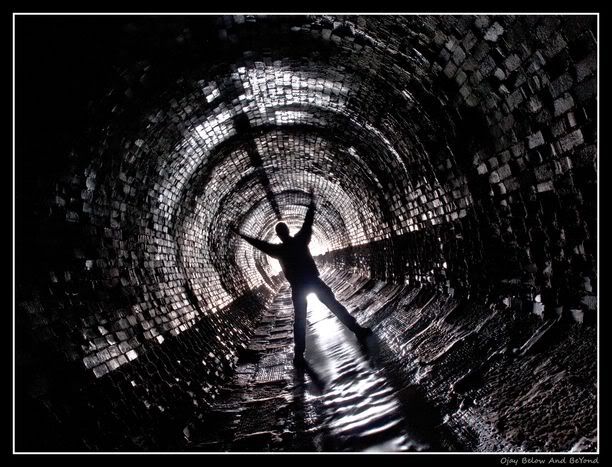
Situated near Ravenstone Brow & Dovestones reservoir is this 10ft tunnel, which was constructed to bypass water from the Greenfield Brook and the reservoir from Holme Clough via into the nearby Dovestones reservoir.

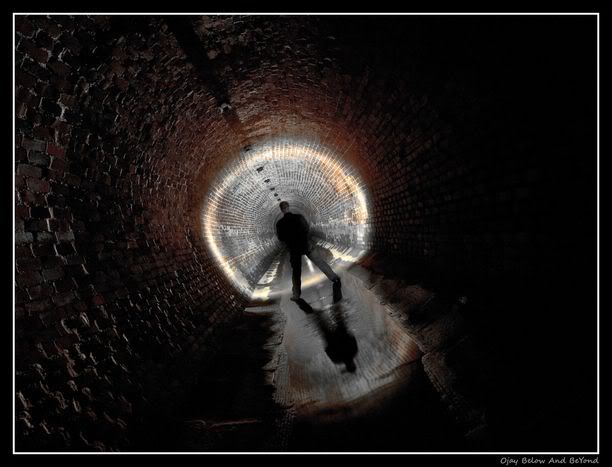
Constructed from dressed stone & brick, the tunnel was rockblasted through the mountain at a length of 1.2 miles (approx).

Possibly the highest culvert in the UK at over 1000ft above sea level, it certainly is an effort to reach it's Infall/Outfall!

The last time I paid this place a visit was when I was in my teens, walking through the tunnel and dicking around the nearby reservoir was something we did during the summer holiday's.

Fast forward nearly 25 years and myself and one half of The_Collective went for a mooch, having been reminded of the place when Stepping Lightly showed me his attempt to ride a dinghy down the huge water shoot at the Outfall a couple of summers back... (I'll try and dig out the video linky) :D

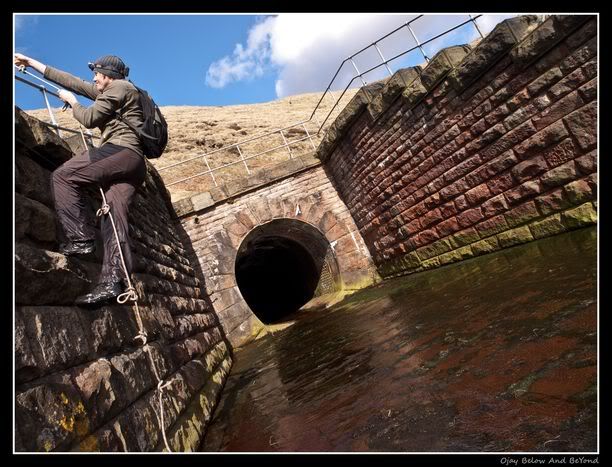
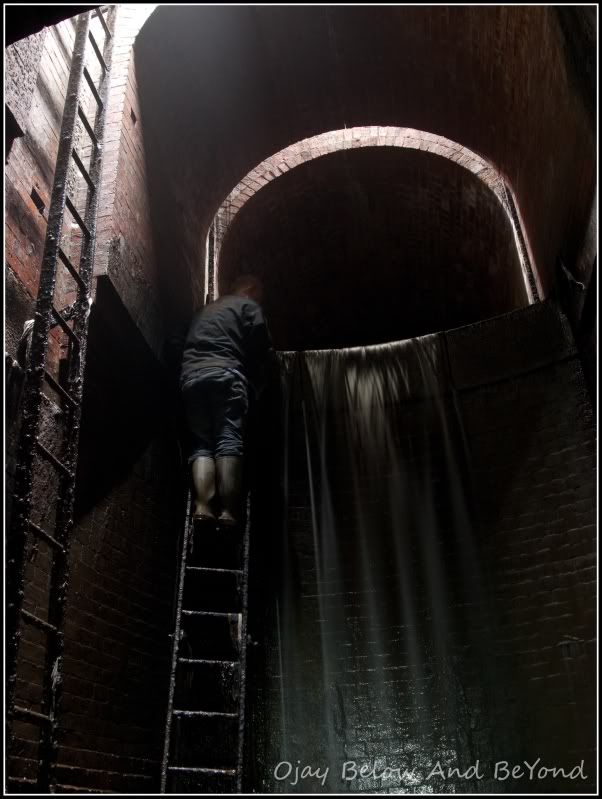
Despite the lack of rain there was still a reasonable flow, and wet feet ensued as we struggled to get a grip down the slippery stonework...

Outfall


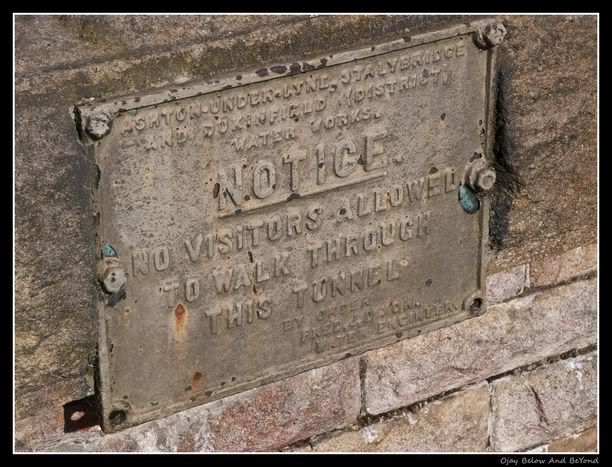
Don't walk through the tunnel....Pfft


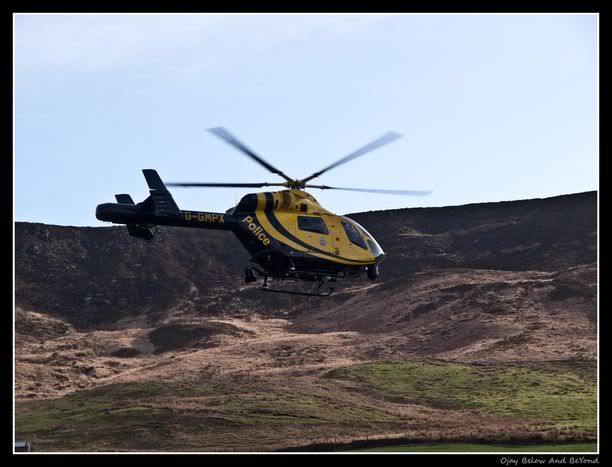
Once out we found we were caught up in the middle of a major Police/Mountain Rescue incident :D

Friday, 8 April 2011

Pomona Dock Tunnels, Manchester

One last time...


Seven terminal docks were constructed for the opening of the Manchester Ship Canal. Four small docks were located on the south side of the canal near Cornbrook, within the Borough of Stretford and named Pomona Docks No.1, No.2, No.3 and No.4.

The three main docks were located within Salford and were built primarily for large ocean-going vessels.

These were situated to the west of Trafford Road on the north bank of the canal and were named No.6, No.7 and No.8.

In 1905, No.9 Dock was completed on the same site. Dock No.5, or Ordsall Dock was part of the Pomona Docks, but was dug on the Salford side of the river; it was never completed and was filled in around 1905.

Pomona Docks have been filled in and to large extent remain derelict, but number 3 dock remains intact and has a lock connecting the ship canal to the Bridgewater Canal, which runs parallel to it at this point.

The western four docks have been converted into the Salford Quays development and can no longer be used as shipping docks. Ships using the Manchester Ship Canal now dock at various places along the canal side, such as Mode Wheel (Salford), Trafford Park, and Ellesmere Port. Most vessels have to terminate at Salford Quays, although smaller vessels can continue up the River Irwell to Hunts Bank, near Manchester Cathedral.

A tram system was used within the docks, you can still see remnants of tracks if you look hard enough, but sadly little remains today.
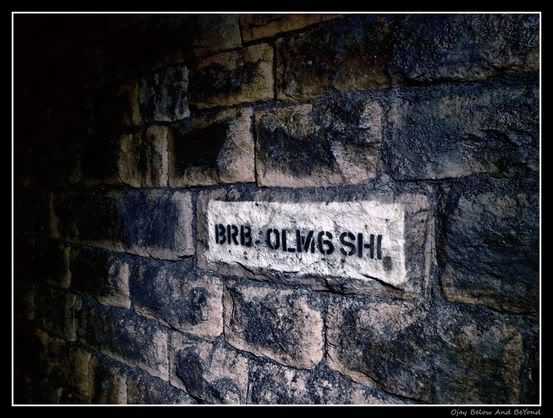
Below the docks are a series of service tunnels, once used to carry the cables used for the tram system above ground, some of the brackets & cables still remain below ground, however the place is filled with silt and water making it st00py in parts; I have even had to do a bit of digging on previous visits.

I have made a few trips down here over the last year or so, and so decided to take one last look whilst I was in the area with The_Collective...


Thursday, 7 April 2011

The Lost Tunnel Re-visited

Myself & Stepping Lightly originally discovered this place last year...


We originally found this tunnel whilst out on a recce. I decided to go back for some better pics with one of The_Collective guys.

This Centuries old  tunnel is around 800 yds and has been cut through the rock by hand. It has since been backfilled with large stones, right underneath a church. It would have almost certainly led into a crypt or cellar, but would require major effort to move the stones that have been tightly packed by hand.


There where thousands of calcite formations and hundreds of Stalagmites and Stalactites everywhere of varying shapes & sizes.


Towards the end where it has since been backfilled stones.

Wednesday, 6 April 2011

Northern Shaft/Victorian Valve House

This ones from a while back now...

The Victorians built even the most prosaic of buildings with style and attention to detail.

This valve house is no exception, having visited a few of these utilities now I'm always amazed by the extent of the detailing that realistically nobody ever sees.

A series of underground utility tunnels connects to a 180ft shaft to the valve house above


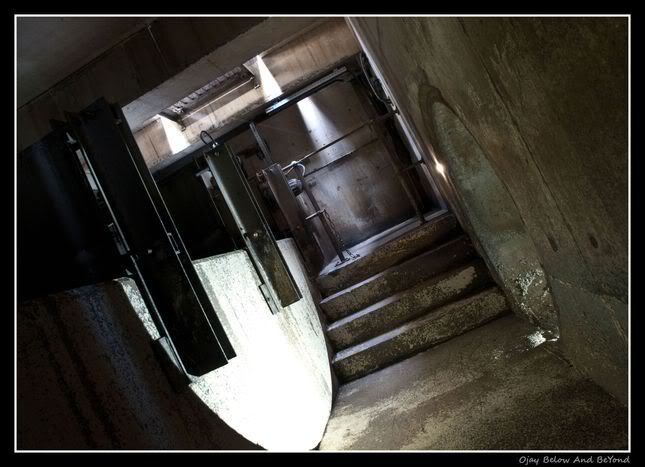
Looking up from the bottom of the main shaft


Looking down from the top of the main shaft


Once up you're greeted with this


There are 2 huge valves controlling the flow of the water mains North & South, as well as some counter weights just underneath the main Valve House.

The once manual valves have been made electronic, and now radio controlled from afar.

North Valve


South Valve


Counter-weight


On your ValveZ

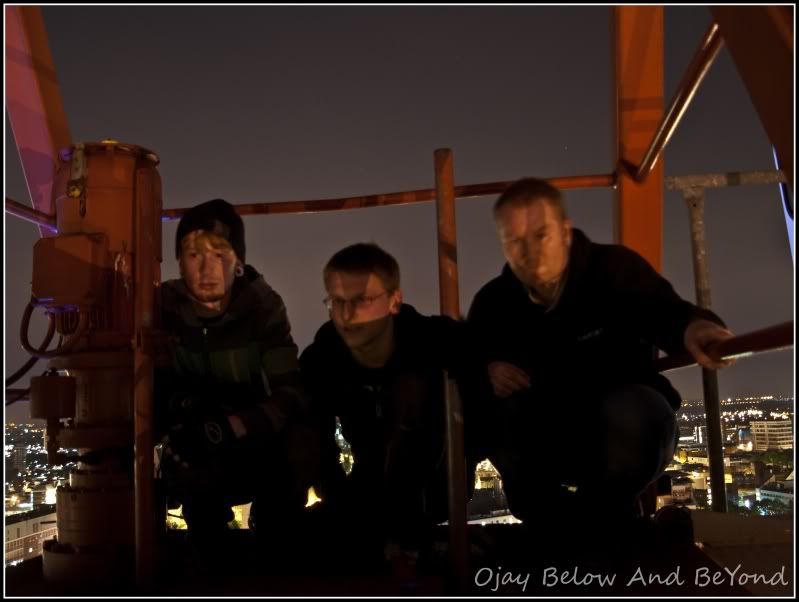
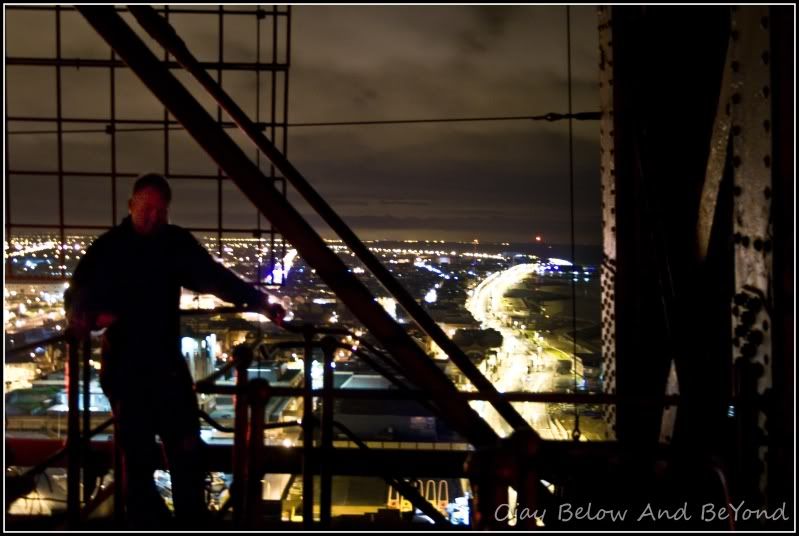
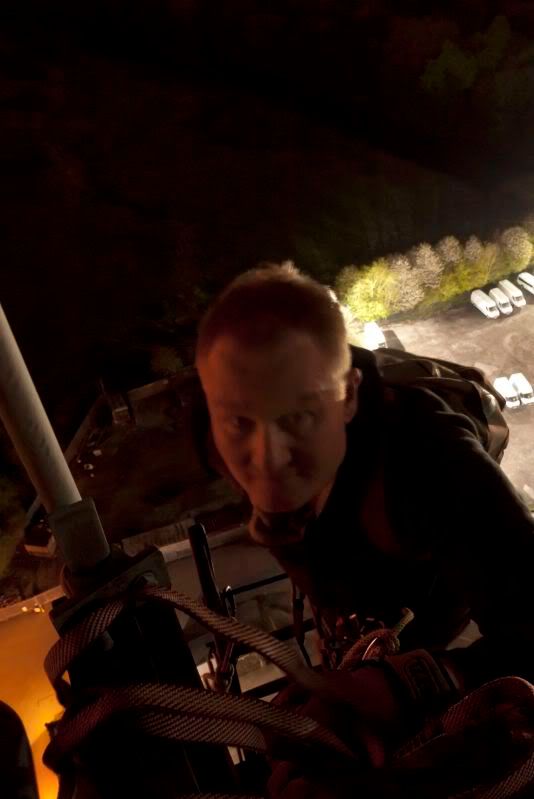
"Dicing with Death"

Ojay/Gone/Millhouse...


"Lives put at risk"

Tuesday, 5 April 2011

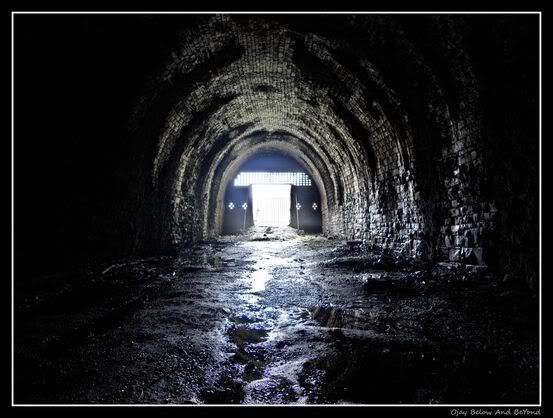
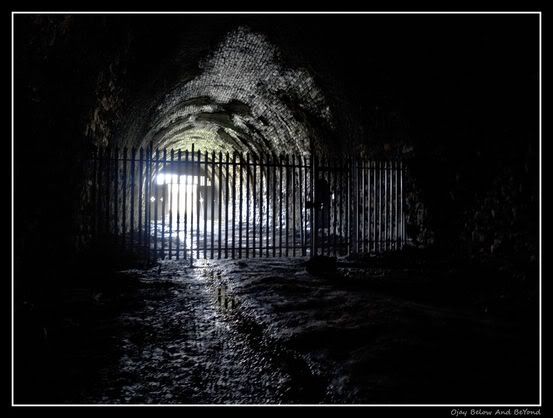
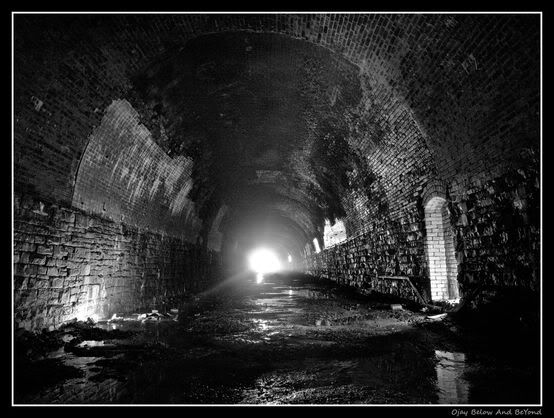
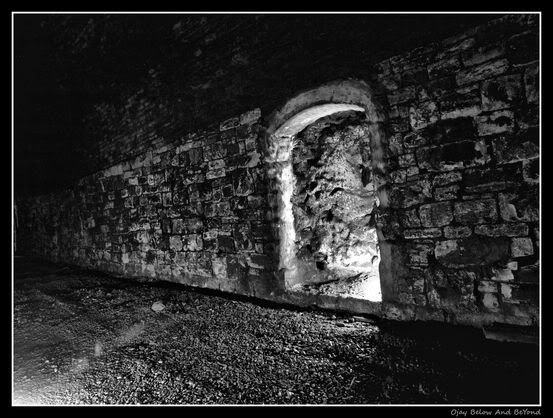
Lydgate Tunnel, Grasscroft

I've put this place off for far too long...


Starting life as the 'Delph Donkey' railway, the nickname given to a 'push-pull' LNWR (London North Western Railway) branch line which opened in 1849 to connect Oldham, Greenfield and Delph to the main Huddersfield to Manchester line

However, the later line to Greenfield Junction from Mumps and the stations at Lees, Grotton and Grasscroft opened on 5th July 1856. The line was the brainwave of James Lees of Delph, a mill owner, who pressured LNWR for it's construction

The Lydgate tunnel lies between Grotton and Grasscroft. When it was constructed it was the longest railway tunnel in the Oldham at 1335 yards

The average cost of the tunnel, which had to be constructed through rock was £26 per linear yard

The tunnel has a span of 25'0" feet and a Southerly curve towards its Western end. It was masonry lined throughout but later repair work has been undertaken in brick

Six shafts are thought to have been driven during construction - two were filled whilst the other four, two either side of the hill, were retained for ventilation purposes. These have depths of 140, 210, 220 and 135 feet; all are now capped

As a result of dwindling passengers, the last passenger train ran on 30th April 1955, while goods continued to be shunted until 4th November 1963

The eventual closure to the line was due to a recurring financial loss each year, most of the railway workers either took redundancy or were shifted to Mumps

Finally on 13th April 1964, the line closed and it's tracks were lifted

As for the donkey ? Well the rumour goes that the carriages were pulled by a donkey in the opening years, however, there is no firm evidence that supports it

There was speculation in 1986, that Oldham Council were considering the re-instatement of the line, but the costs wouldn't have been justified

In 2008, Lydgate's owners, British Railways Board (Residuary), carried out a five month programme of repairs. However, contrary to local press reports, these were not prompted by the tunnel's imminent collapse

Today, the Saddleworth Historical Society occasionally feature the 'Delph Donkey' in it's newsletters as a pleasant nature walk, and some memorabilia can even be viewed in the Saddleworth Museum

I finally got around to seeing this place along with The_Collective


Monday, 4 April 2011

Castlefield Viaduct Re-visited

A quick re-visit...

I headed upto the viaduct with The_Collective for a few quick shots and a leisurely mooch as the sun was setting.