
This epic trip comprised 2 explores, S.L and 99% Kayaking it through the canal tunnel and myself on foot, both ways and needless to say I’ve never had as much exercise in one night!
After seeing them both disappear into the tunnel it was my turn to join them further along which once again presented its challenges...
After around 20 minutes of tunnelling it, I finally met up with the 2 of them alongside the canal tunnel where we shared a few words before continuing the gruelling 3.6 mile walk (7.2 on foot Ojay, 3.6 kayak/3.6 Walk S.L/99%).


An hour or so later we all arrived at the Marsden portal where we finally met up for the long walk back to Diggle, oh and not forgetting the photos on the way.
Some History:


In November 1846, work started on the first of three Standedge railway tunnels. It was completed two years later at a cost of £201,608. Again the work was carried out by candlelight and over 150,000 lbs of candles were used, costing £3,618. The full length of the railway tunnel was 3 miles 60 yards.
The line opened for business on 1st August 1849, when the L & N W Railway Company issued its first timetable for Saddleworth.
A second railway tunnel was finished in 1870 and a third one in 1894. Standedge is unique in having four tunnels - three railways and one canal -almost parallel to each other under the moors.
The canal and railway tunnels remain one of the greatest feats of British engineering because of the enormous task of carrying water through the Standedge hills. The tunnels can be found at the east of the village, the canal tunnel off Sam Road and the railway tunnel not far from the Diggle Hotel.
The Standedge Canal Tunnel is the longest, highest and deepest canal tunnel in Britain. It runs under the Pennine Hills for a distance of 5, 029 meters to join the West Yorkshire village of Marsden to the Greater Manchester village of Diggle.
With the railways taking traffic away from the canals, the Huddersfield Canal fell into slow decline. The last commercial boat passed through the tunnel in 1921. The canal was officially closed in 1944 although a boat, "Ailsa Craig", struggled through in 1948, being the last boat to make a complete passage along the canal before the lock gates were removed in the 1950s.
A maintenance boat remained on the summit level for carrying out inspections and basic maintenance within Standedge Tunnel. In 1961 and 1962 this boat took groups of canal enthusiasts through the tunnel. In time, however, parts of the roof became unstable and some sections collapsed, making navigation impossible.
By the time funding eventually became available to restore the tunnel, it had become a major operation, with some sections needing to be stabilised with rock bolts and others to be lined with concrete. 10,000 tons of silt and 3,000 tons of fallen rocks had to be removed.
On May 1st, 2001 the tunnel was open to boats once more, after restoration costing more than five million pounds. When the tunnel was originally opened in 1811, the cost of construction had been £123,804!Today the 1894 tunnel is still used as an emergency escape route and for emergency vehicles to pass through if and when required.
West portal - DIGGLE

East portal – MARSDEN

One of the many links between the two service tunnels

Some of the many tunnels down to the railway/canal


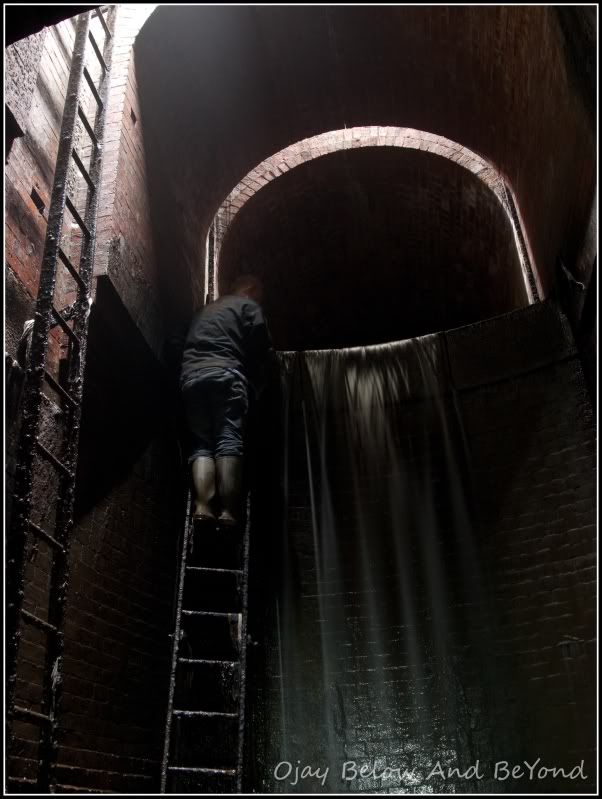
Airshaft, approx 600+ ft below Saddleworth moor


One of the many drains within the tunnels

Down by the canal at various points...


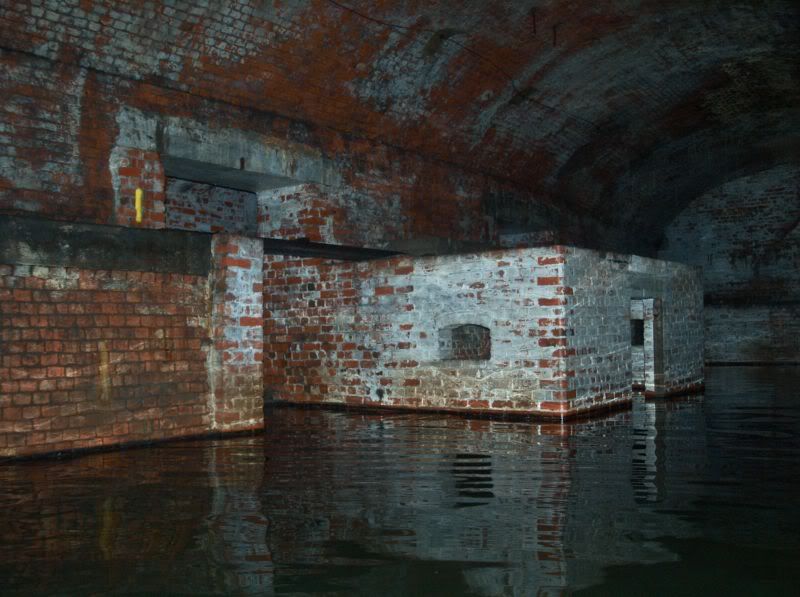
Some interesting archway at the half-way point,
where both tunnels merge briefly
where both tunnels merge briefly

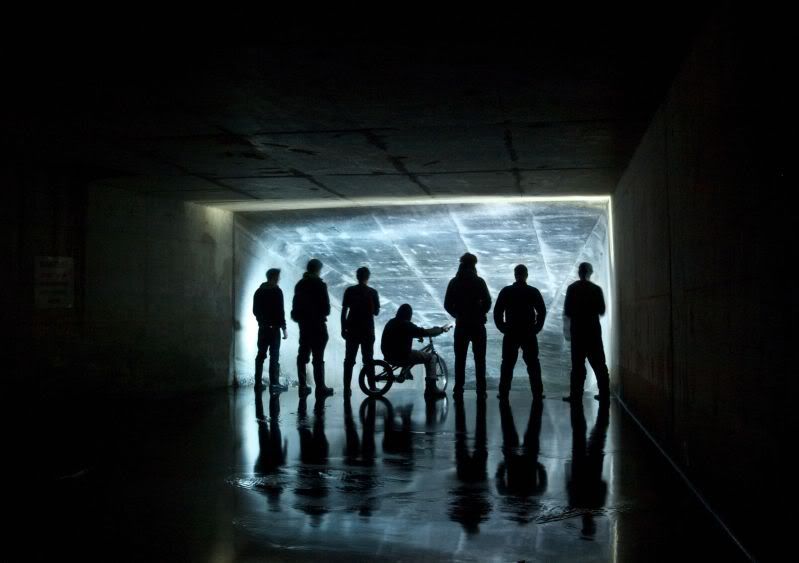
The tunnel


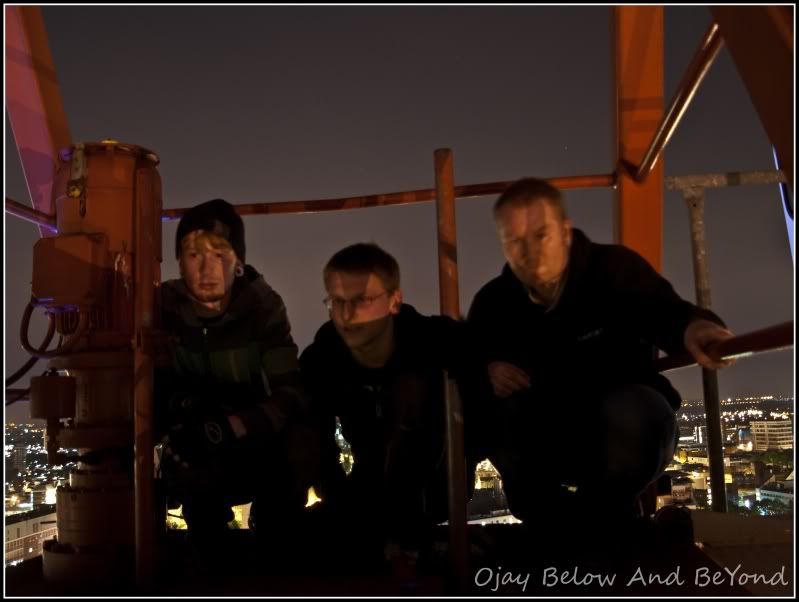
The 3 of us

The End....







0 comments:
Post a Comment
Note: only a member of this blog may post a comment.