
THE SITE IS COVERED BY THE MANUFACTURE and STORAGE OF EXPLOSIVES REGULATIONS 2005!
Well I had been persuaded to visit here by the others, suppose fair is fair as I had dragged them kicking & screaming up chimneys and Bridges.
Besides Banana made me do it, so we took him for a mooch too!
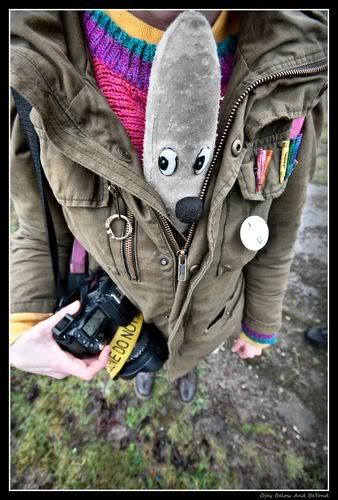
The demo team have been well on with flattening the site, much of the good bit's previously covered have either gone or been stripped to an inch of their lives, a shadow of it's former self really..
Security
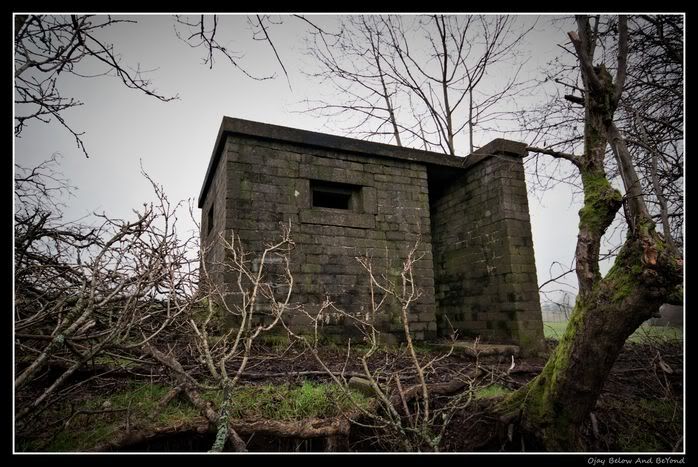
.. They can be quite keen here, we had a few comedy moments, especially around the more 'live' area.
As well despite it being a weekend the contractors were on site, so we had to duck & dive on a number of occasions, including a dunk in a nearby swamp.
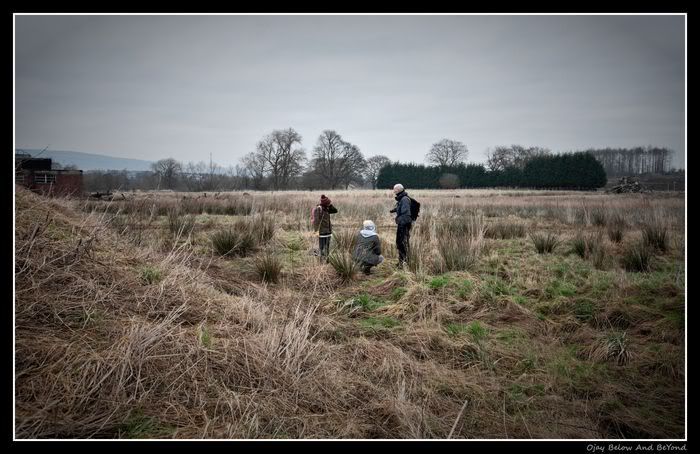
All good fun I'm sure :)
Some Shizzle:
The Royal Ordnance Factory (ROF) Bishopton was a UK Ministry of Supply, World War II explosive factory, Located adjacent to the town of Bishopton, Renfrewshire in Scotland.
It was built, with the Ministry of Works acting as Agents, as three separate almost self-contained explosive factories within the same perimeter fence.
The factory was built to manufacture propellant, Cordite in the main, for the British Army and the Royal Air Force.
It did not produce propellant for the Royal Navy in World War II as the Admiralty demanded, and got, its own propellant factories.
The three explosive factories opened between December 1940 and April 1941.
Explosives manufacturing survived on parts of the site until about 2000, although ROF Bishopton was privatised in the early 1980's.
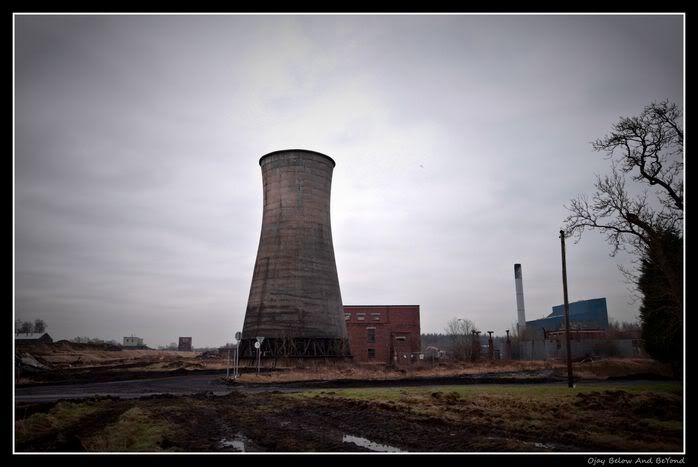
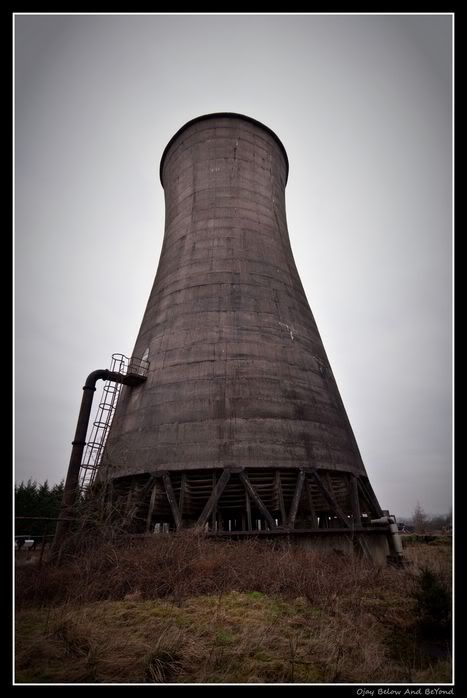
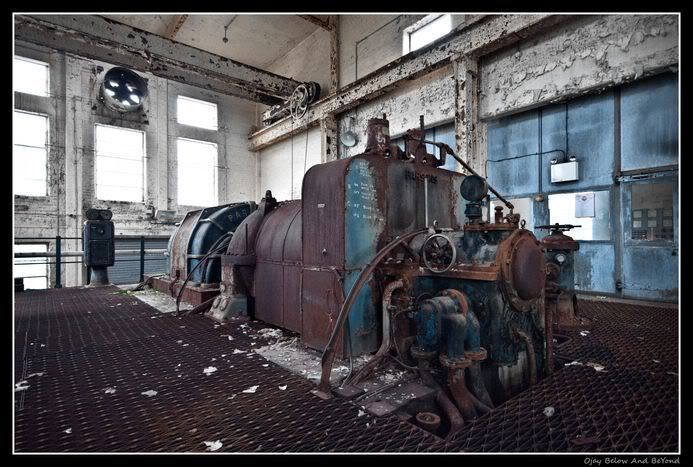
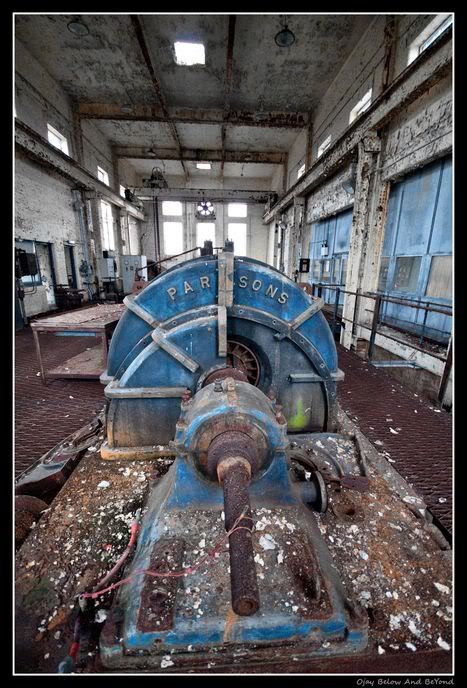
Factories I, II and III each had their own coal-fired power stations for producing high-pressure steam for generating electricity using steam-turbine-alternators.
The resulting low pressure steam was used for site heating and Cordite drying.
Each factory had three nitroglycerine hills, operating on a batch process to produce nitroglycerine.
Factories I and II (and possibly III) had their own nitration plants for making nitrocellulose.
Nitroglycerine and nitrocellulose were then processed to produce Cordite.
Nearly all the buildings, with the exception of the buildings on the nitroglycerine hills which were light-weight, were steel framed buildings with triple-brick walls and bomb-proof reinforced concrete roofs.
However, some of the buildings in factory III, which was built last, such as the power station, were clad with corrugated iron to reduce costs.
As a part of the Explosives Division of Royal Ordnance Plc, the ROF was privatised in 1984 and now BAE Systems Global Combat Systems Munitions.
The workforce fell from about 3,000 in the late 1970s to 2,000 at the time of privatisation in 1984.
The workforce was about 1,000 in 1991 and was reduced to about 600 in 1993.
There was a further reduction in 1996 to 450 employees as the business tried to reduce costs.
It was announced in 1998 that the site would close after the loss of a major government contract for the supply of 155mm ammunition to the South African defence contractor, Denel.
Manufacture on the site finally ceased in June 2002.
The site is still owned by BAE Systems who use part of it as an Environmental Test Facility (ETF).
In conjunction with Redrow Homes, they have submitted locally controversial proposals to use a large part of this site for building new housing.. Soon to be home to a 24 Hour Tesco.
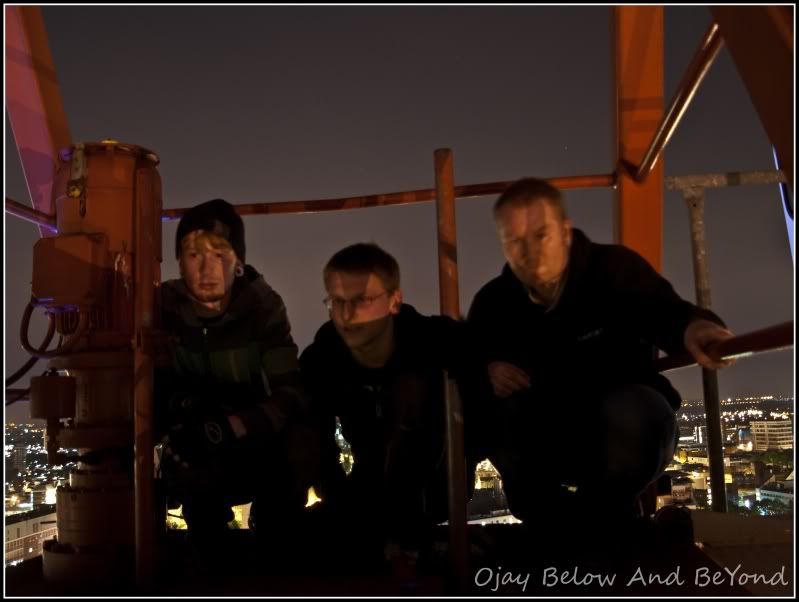
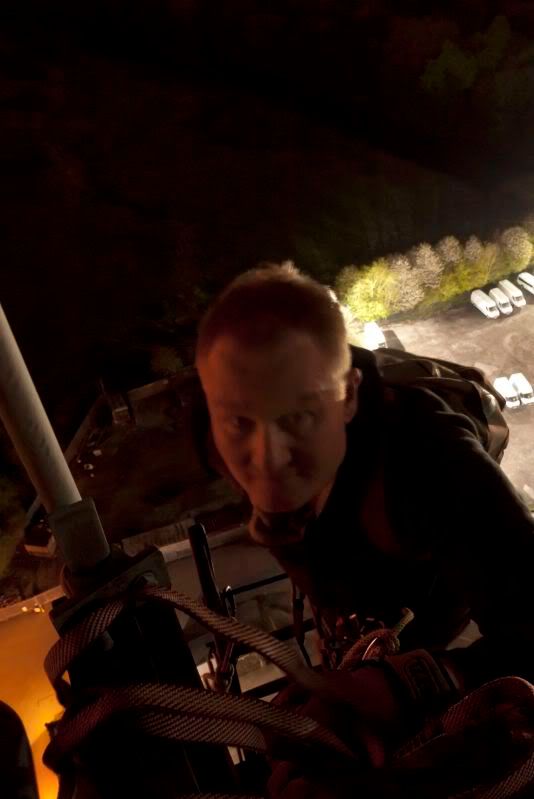
Lawrence looks so happy after talking me into this Scottish Derp
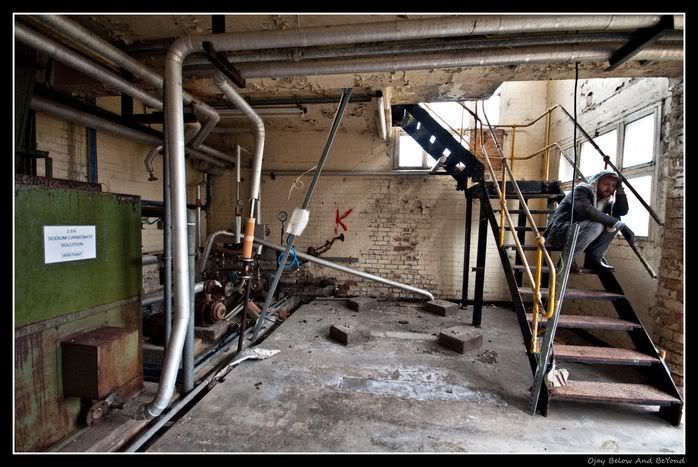
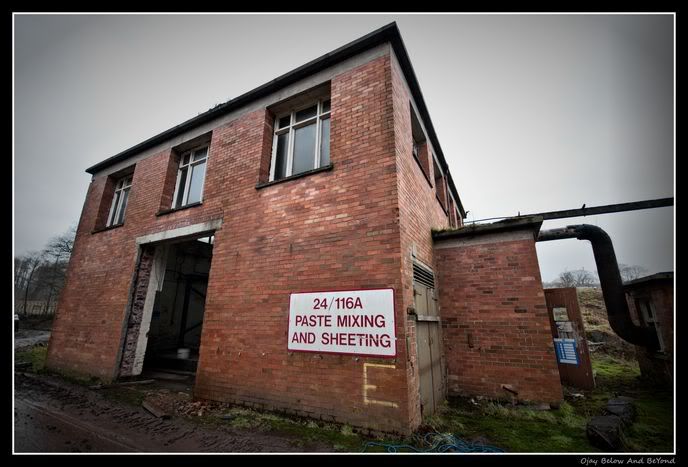
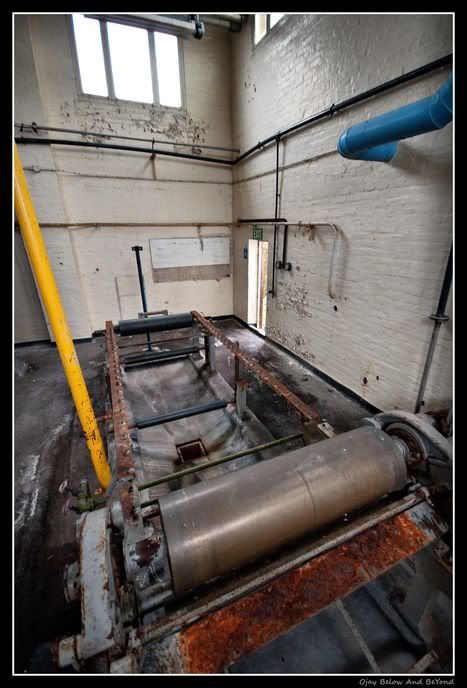
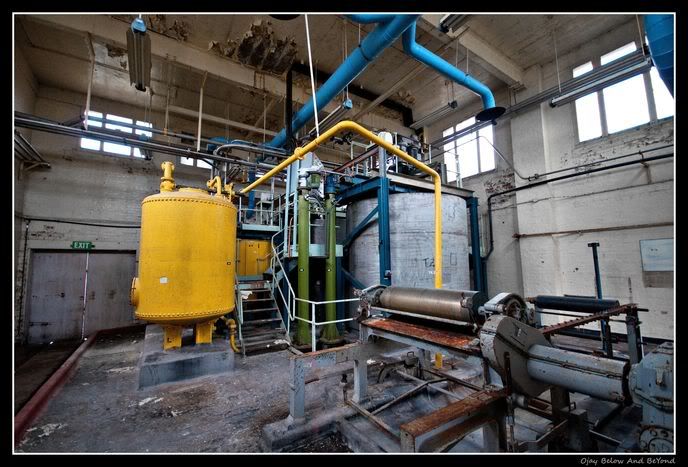
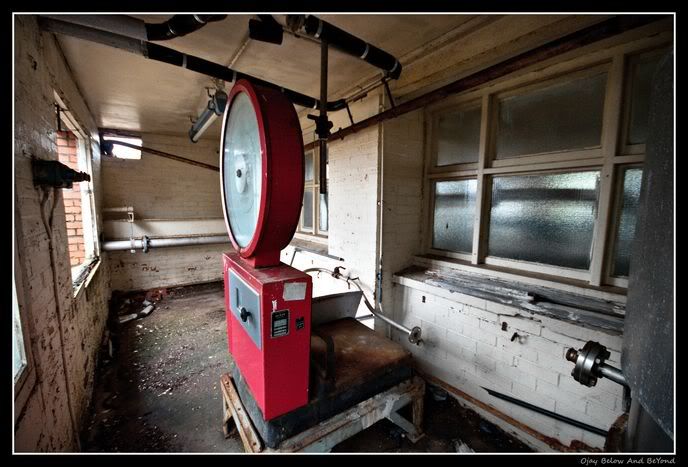
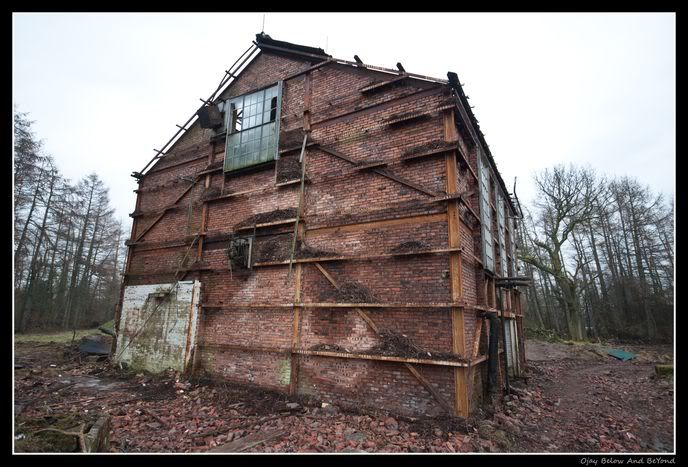
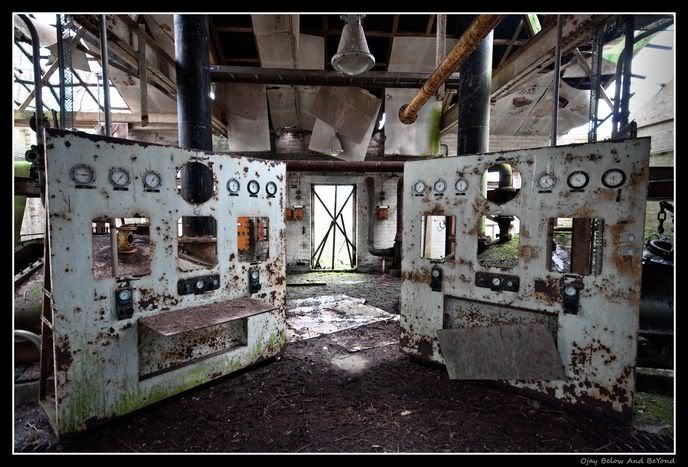
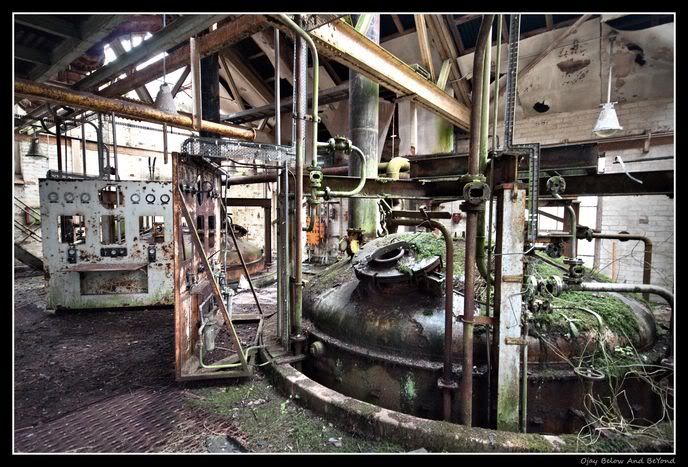
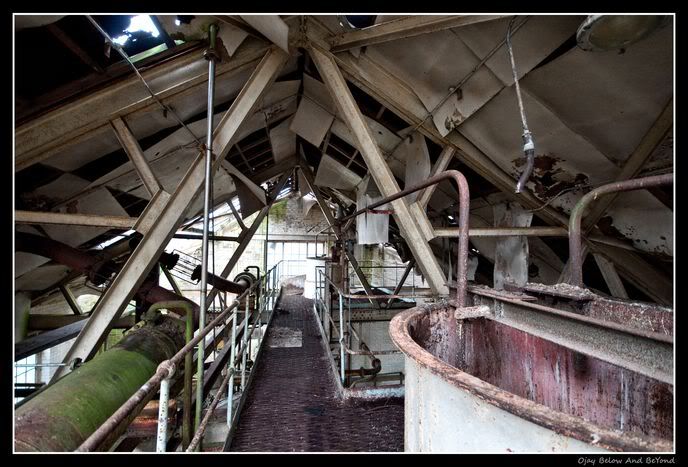
A paste mixing and sheeting house
Where the nitroglycerine and nitrocellulose were first mixed and sheeted out for drying
Interhouse
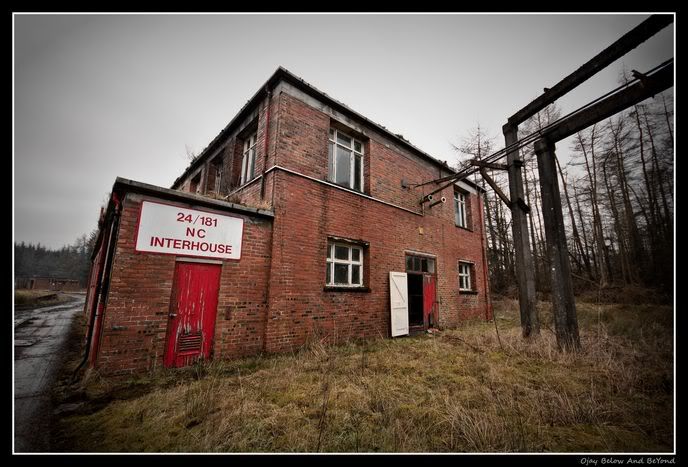
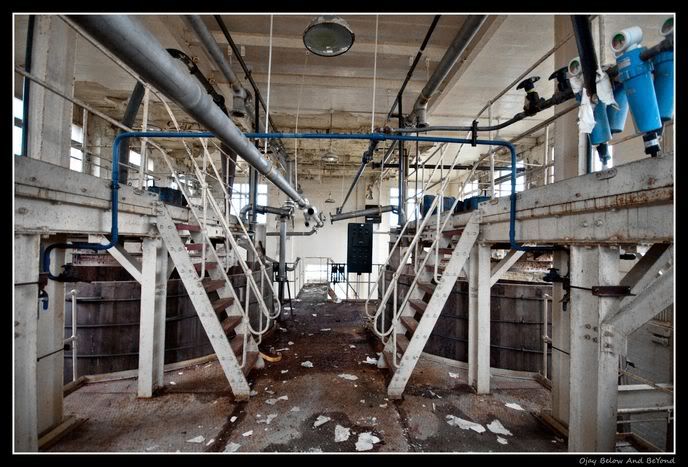
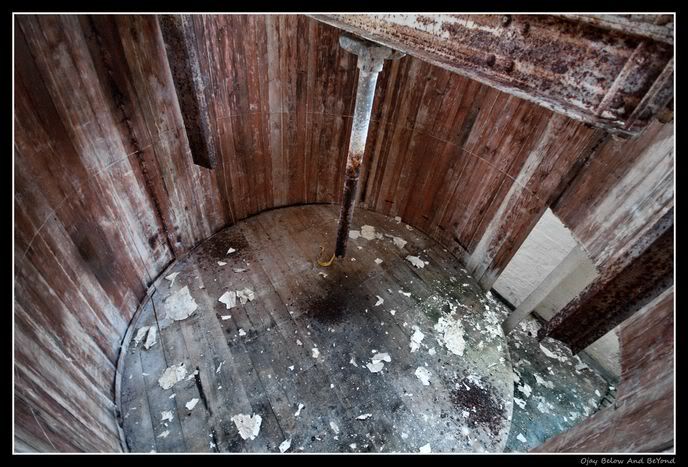
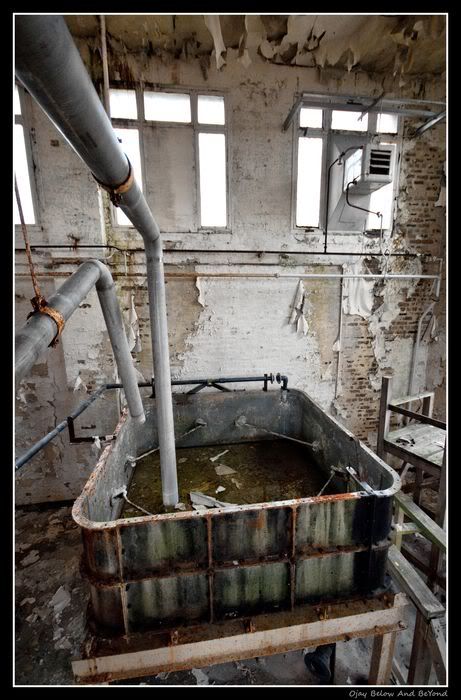
?? Unsure of what this is ?
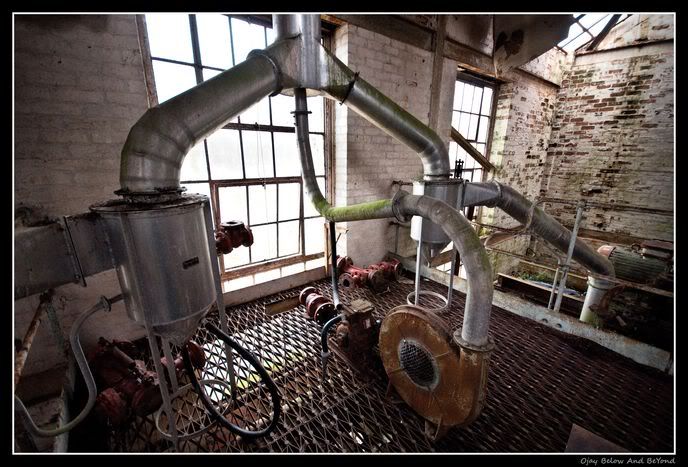
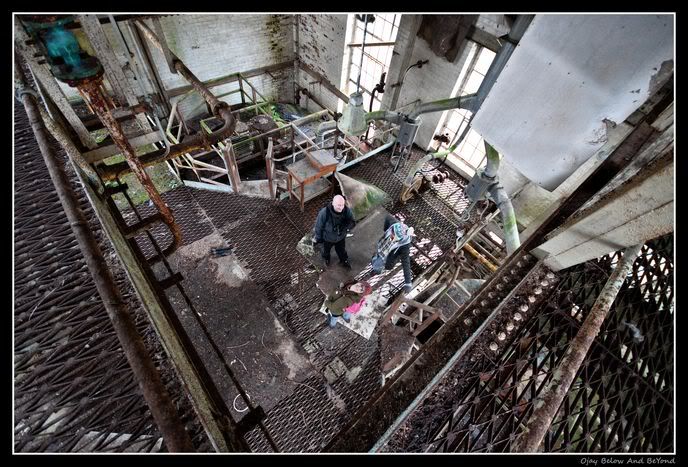
Ball Powder production
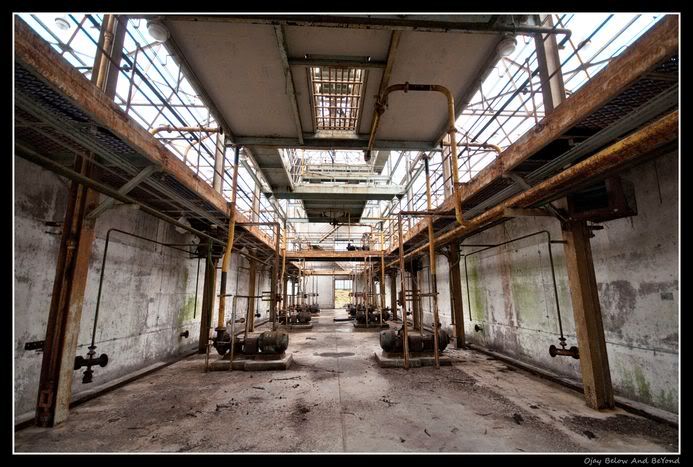
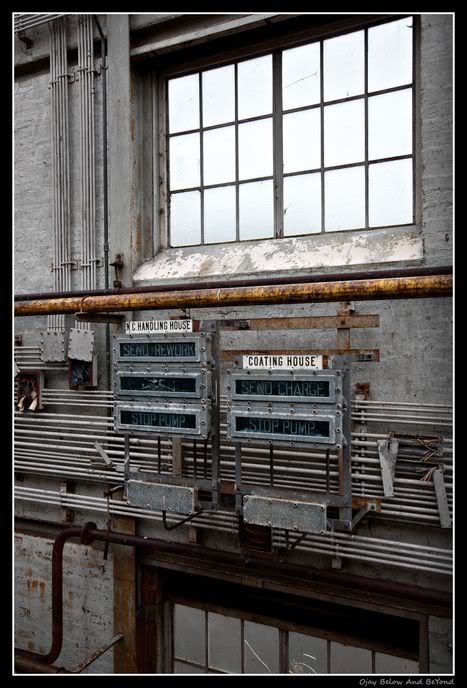
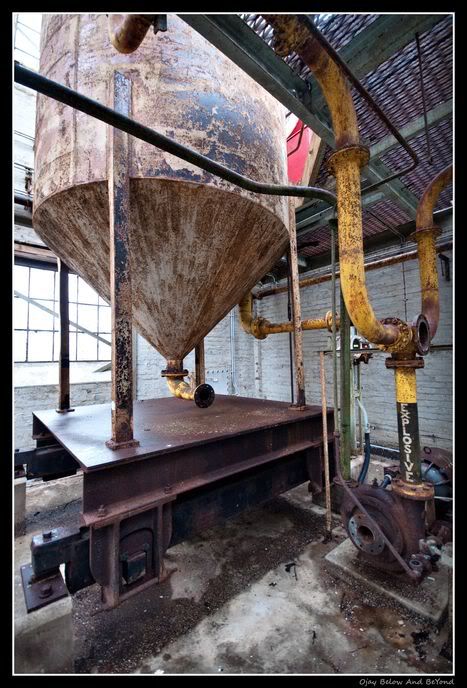
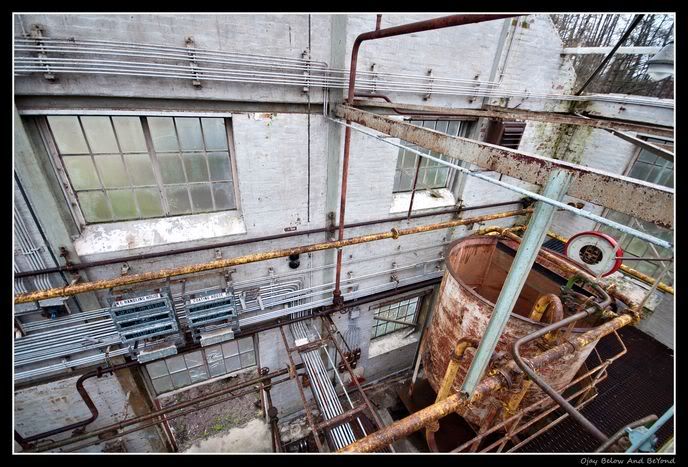
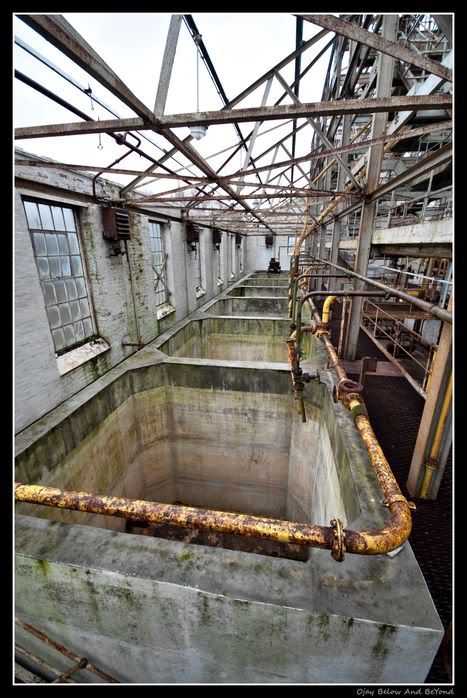
Gun Propellant Research Unit
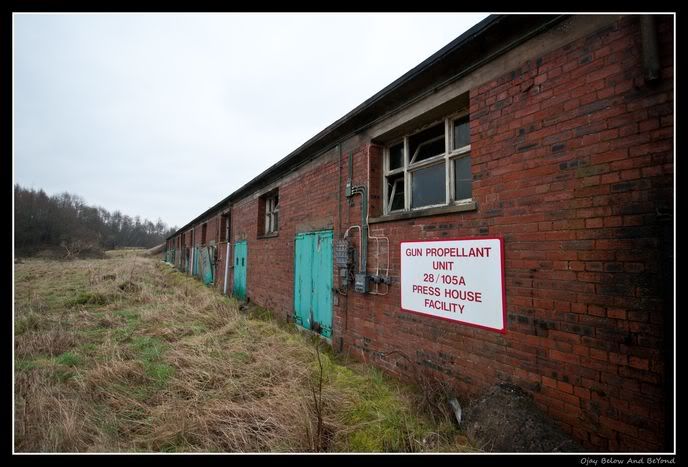
Individual Tangye press bays
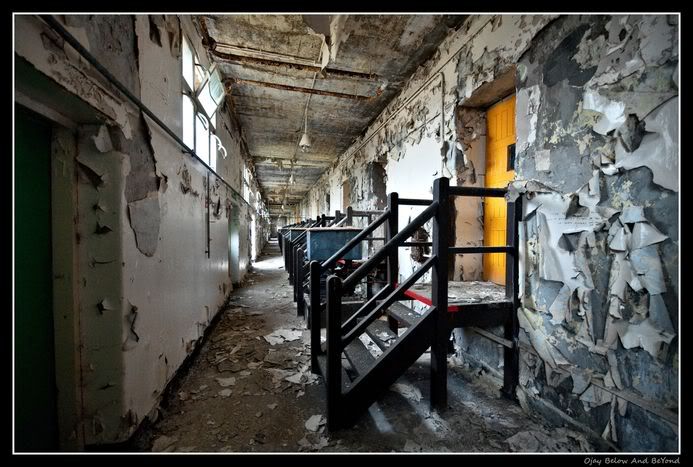
Cordite Press & Processing
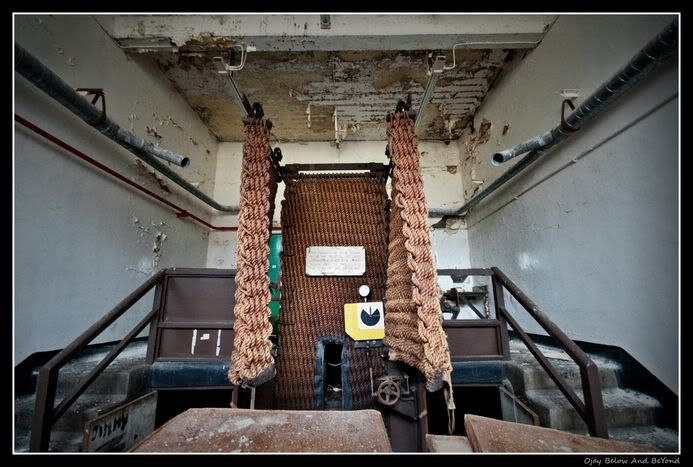
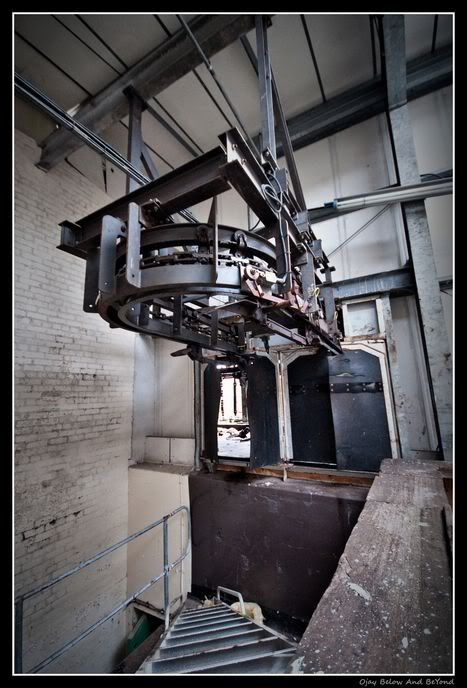
Again, not sure what this building was ?
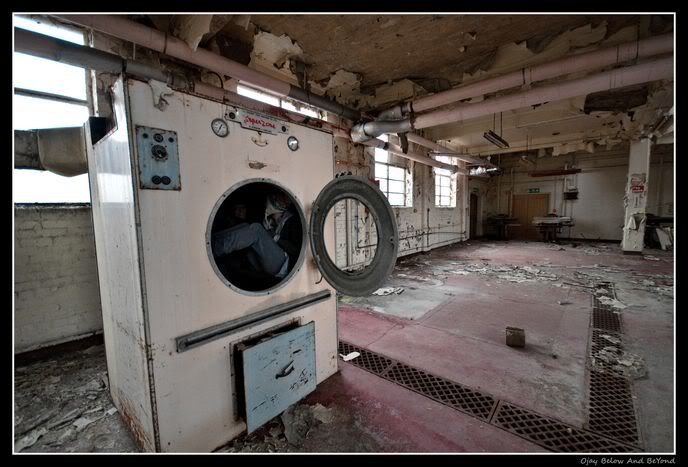
(Suffice to say I'm not over 200lbs)
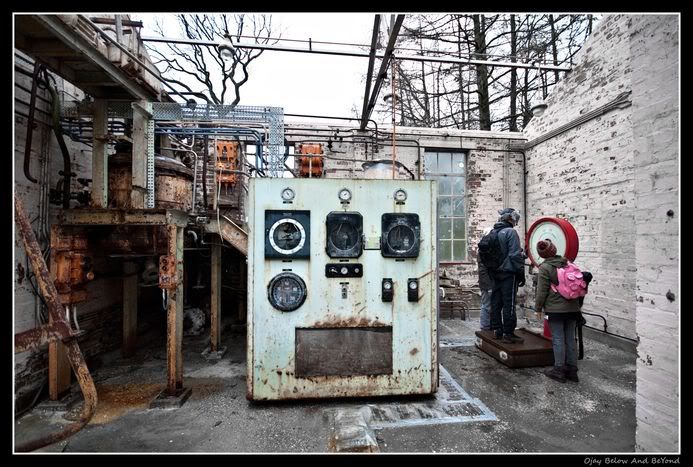
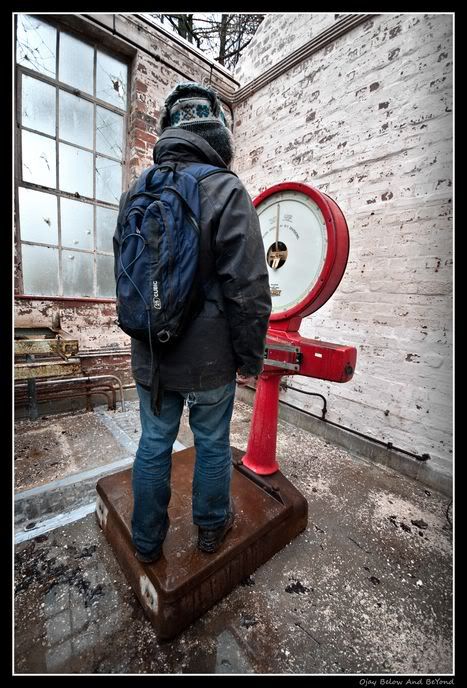
Any ideas, ?
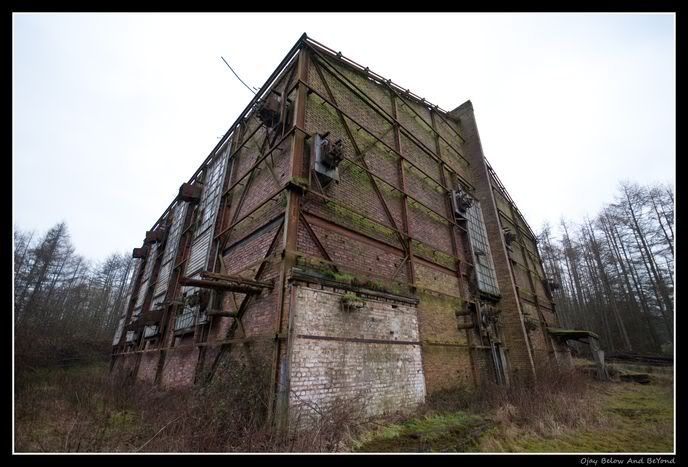
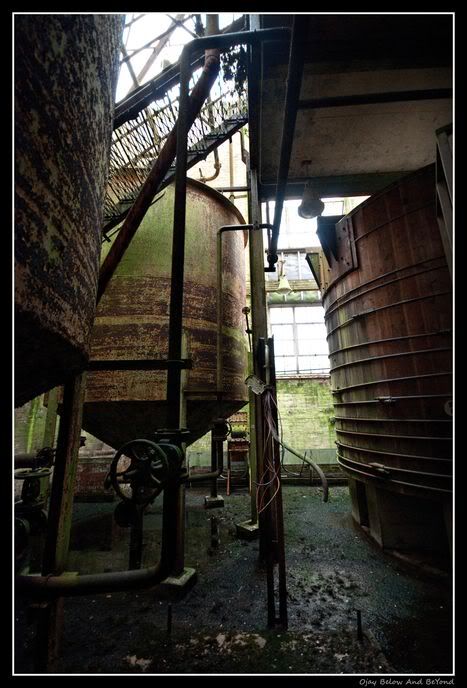
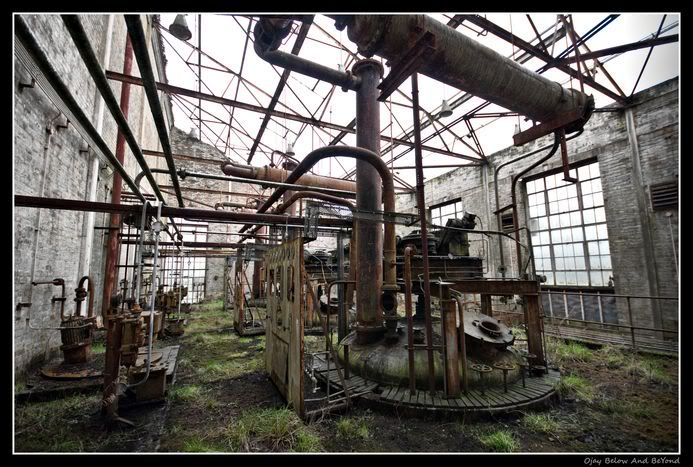
Laundry
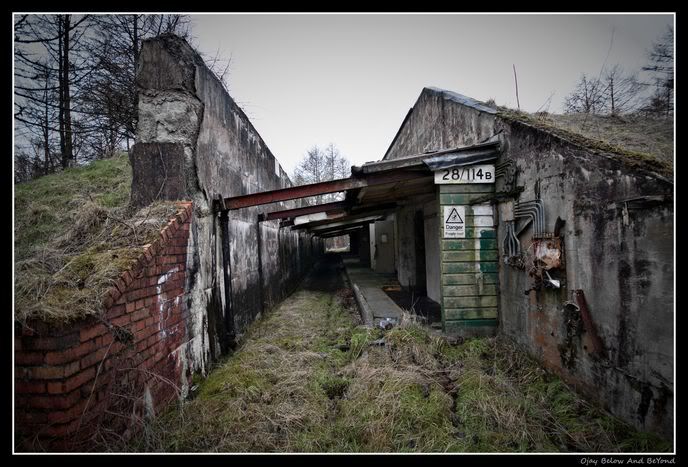
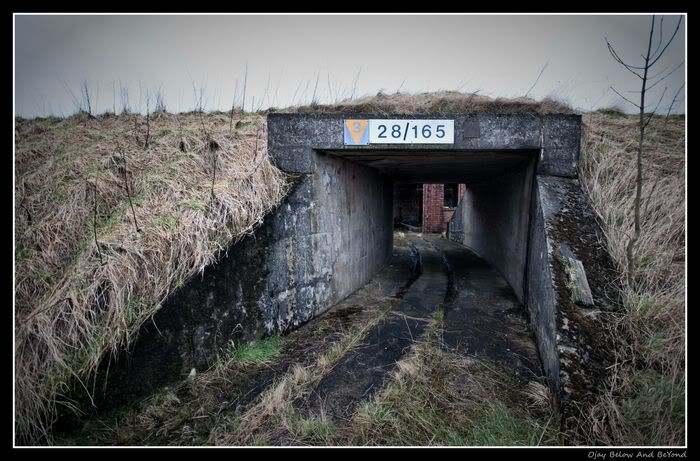
Misc
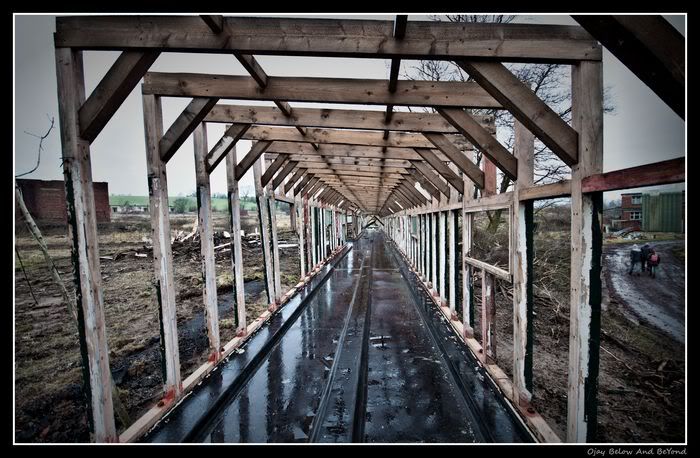
(Bishopton had over 20 miles of standard gauge rail lines,
Used with the ROF's own fleet of diesel locos to move raw materials and finished propellant)
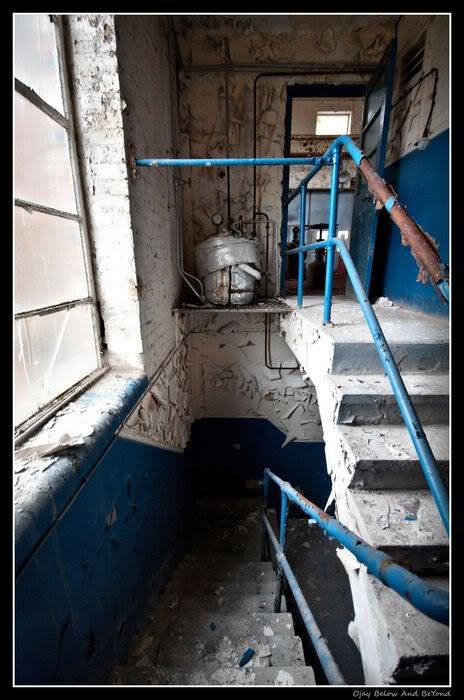
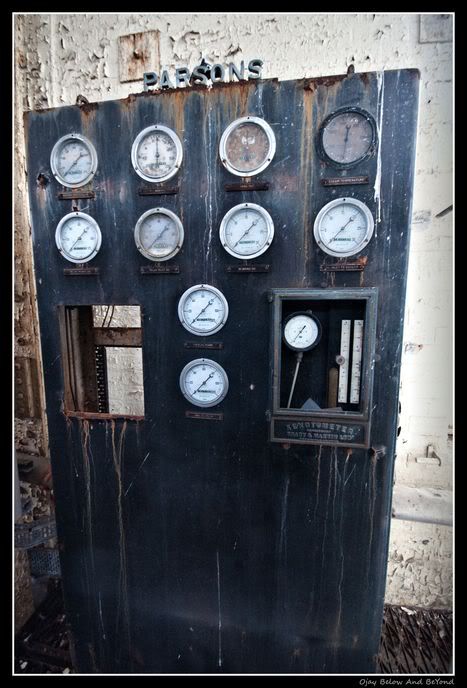
Power Station
Outta Here..







0 comments:
Post a Comment
Note: only a member of this blog may post a comment.