

During WWII art treasures were removed from the Tate, British Museum and National Gallery, and stored in a highly secretive quarry.
Manod Slate Quarry was requisitioned and brick rooms were built in the large cavernous area.
With their own electricity generators, water supply, heating, air-conditioning and humidifiers, lorries disguised as chocolate manufacturer deliveries negotiated the four mile track from the road to the door in the hillside.
Here, the priceless paintings Were loaded into specially made 2’ gauge wooden wagons, manufactured by the LMS at their Derby works including:
All the royal pictures from the palaces, Tate and the National Gallery were transported to North Wales.
Among the treasures were 19 Rembrandts, Van Dykes, Leonardo da Vincis and Gainsboroughs, together with the Crown Jewels.
These railway trucks were pushed by hand along the tunnels into one of the underground rooms

The Van Dyck portrait of Charles I took a long time to be manoeuvred, under a nearby railway bridge
Even the road had to be lowered by 2½ ft to allow the huge crate through, even then, it only made it when the truck’s tyres were deflated.

As the war went on, a tradition was introduced of taking one painting a month back to London to go on public display, then returning it to the quarry.
Once the items were stored they were put in the care of the quarry manager, and were only ever seen by him, it is said that the worry of the responsibility shortened his life!
The Cold War ensured that the Art Bunker remained in service long after WWII.
The fate of all these unusual narrow gauge wagons is not known.
However, two were displayed at Gloddfa Ganol, Blaenau Ffestiniog, until the tourist attraction closed in 1997.
One was moved to Amberley Museum & Heritage Centre, Sussex, where it remains on display today.
Behind the large steel and timber doors,
is a tunnel 1,200 feet long, 1,000 feet below the top of the mountain

"Ojay said it's sealed"

..Oh Wait


Hell yeah,
they even left some explosives lying about ontop of the safe

Inside, the wagons were pushed along a long tunnel from the reception area to the main chamber

As it is today


The main tunnel was widened to 13 feet high from the original 6,
to allow for lorries and the railway wagons

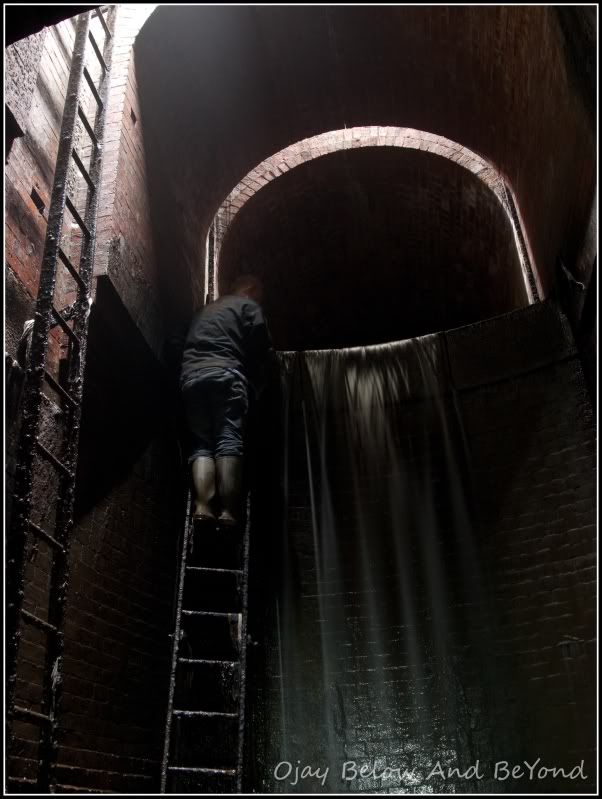
Entrance to the main repository

Here paintings were kept in perfect conditions,
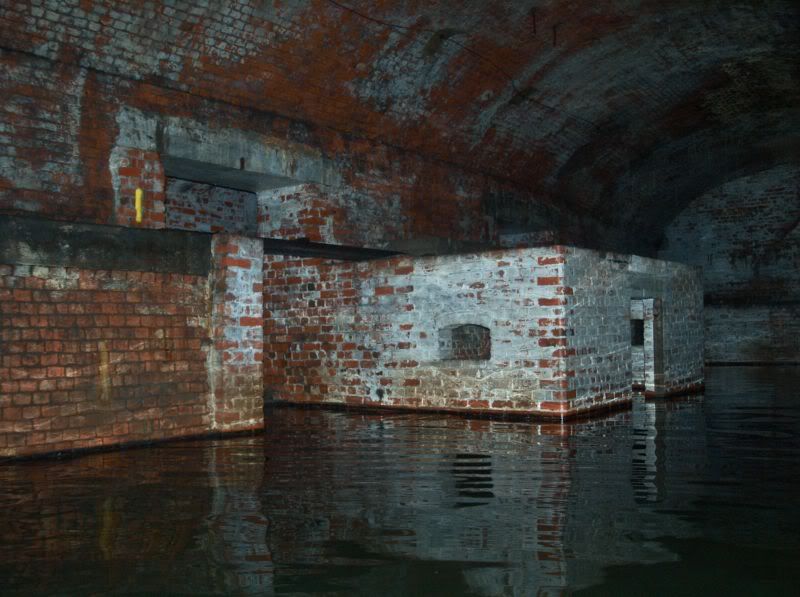
stretched out in long galleries, connected by a series of large caves & tunnels

As they are today


Remnants of heating, air-conditioning and humidifiers

The narrow gauge railway system served all the chambers and enabled easy transportation







0 comments:
Post a Comment
Note: only a member of this blog may post a comment.